
Understanding Risk in the Casino Environment
In the casino realm, risk is an inherent aspect of the experience. Understanding the nature of risk is crucial for anyone looking to make informed decisions while gambling. Risks can vary significantly between different games, such as slot machines versus table games like poker or blackjack. The house edge, or the statistical advantage that the casino holds, is a key component to assess when determining how much risk to take on any given wager, especially if they are considering options like $10 neosurf casino australia for their next gaming session. Players must analyze the odds and potential returns in order to gauge whether a situation warrants a larger bet.
Moreover, one must also consider personal risk tolerance. Some individuals are naturally inclined to take greater risks while others may prefer a more conservative approach. It is essential for players to reflect on their own financial situations, emotional stability, and gaming philosophies before committing to high-stakes bets. A well-rounded understanding of personal risk can lead to more enjoyable and potentially profitable gambling experiences, as players can align their strategies with their comfort levels.
Ultimately, the casino experience engages both thrill-seekers and those seeking strategic challenge. The key is to find a balance between taking calculated risks and enjoying the entertainment value that the casino offers. Whether one is placing a modest bet on a popular game or going for broke during a high-stakes poker tournament, embracing the concept of risk while maintaining a pragmatic approach is vital in navigating the casino landscape.
Strategies for High-Stakes Betting
High-stakes betting can be incredibly exhilarating, but it requires careful planning and strategy. A successful approach often begins with setting clear limits regarding both time and money. Players should establish a budget that reflects their financial capacity and stick to it rigorously, regardless of how events unfold at the gaming table. Knowing when to walk away—either after a win or a loss—is instrumental in ensuring long-term enjoyment and sustainability in the casino environment.
Additionally, having an understanding of the game being played is crucial in high-stakes scenarios. Whether it is mastering the nuances of a card game or employing betting systems in games like roulette, knowledge can significantly enhance the likelihood of making informed betting decisions. For instance, a skilled poker player can read opponents and strategize their moves to maximize potential gains while minimizing exposure to risk. This analytical aspect is what distinguishes successful high-stakes players from novices.
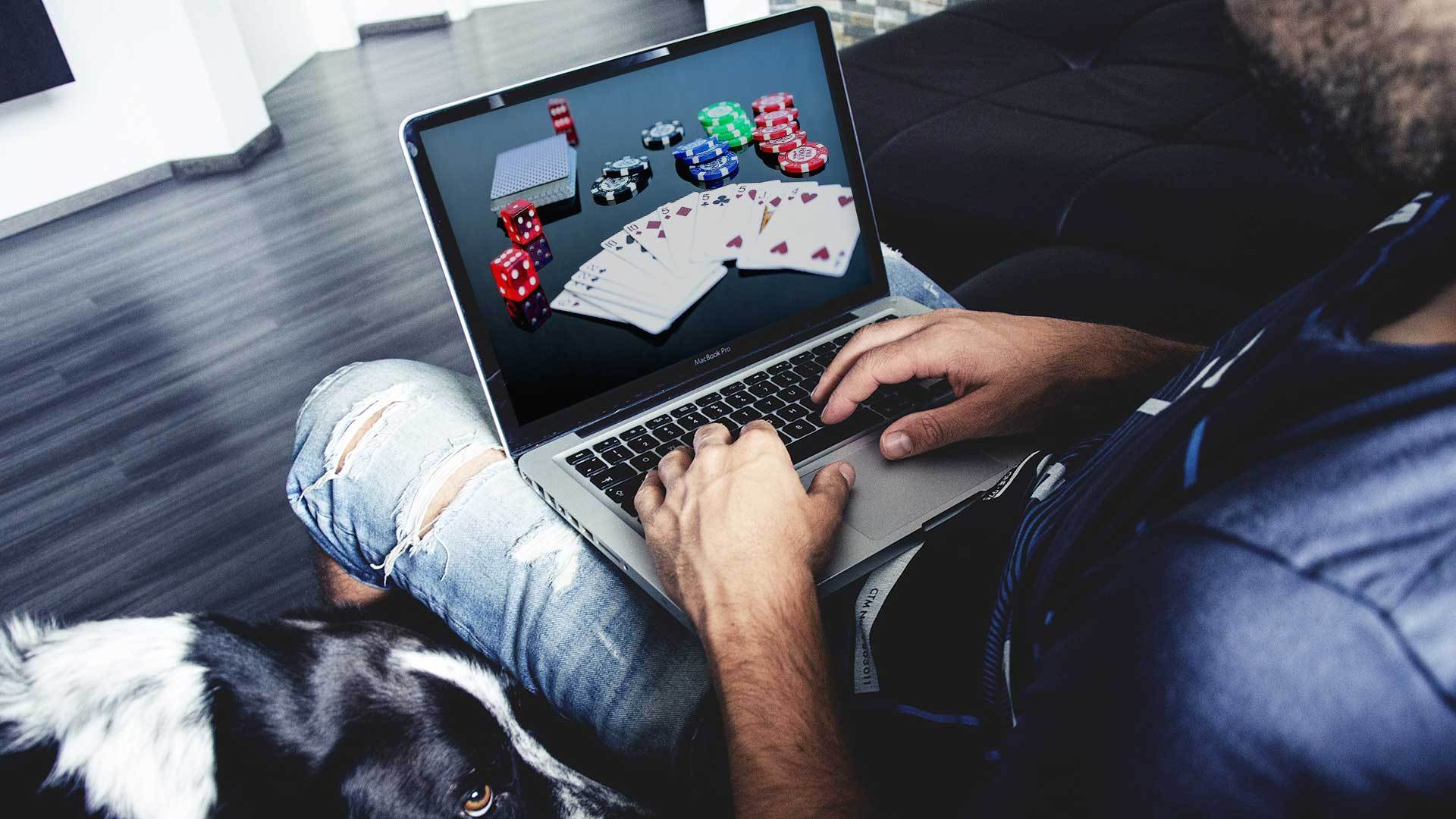
Moreover, the psychology behind high-stakes betting cannot be overlooked. Stress and pressure can lead to impulsive decisions that deviate from a player’s strategy. Thus, mental fortitude is necessary when wagering large sums of money. Techniques such as mindfulness or visualization can help maintain composure during intense gaming sessions. Players who harness both strategic understanding and mental discipline often position themselves for greater success when navigating high-stakes situations.
Recognizing the Right Moments to Bet Big
Identifying the right moments to increase bets can be pivotal in maximizing victories. This means being attuned to both the flow of the game and one’s instincts. In games that rely heavily on luck, such as slots, players may consider betting big when they have managed to establish a winning streak. The psychology of momentum suggests that a series of successes can encourage players to feel confident enough to take larger risks. However, it’s vital to also consider the underlying odds at play and not let emotion overrule logic.
In games based on skill, such as poker, determining the optimal moment to make a large bet often hinges on one’s understanding of the opponents. If you have a strong hand, strategically increasing your wager can pressure other players into folding, thereby securing your win. Conversely, if opponents display signs of weakness, it can be a prime opportunity to seize the momentum. Thus, observing player behavior and betting patterns can provide valuable insights into the right moments to up the stakes.
Additionally, external factors such as game conditions or promotional offers can influence when to take bigger risks. For instance, during a special event or tournament, players might feel encouraged to take risks due to the potential for larger payouts or the excitement of competition. Balancing these elements with one’s overall strategy can lead to successful high-stakes betting, ensuring that the thrill of risk also aligns with calculated decision-making.
The Role of Emotions in High-Risk Gaming
Emotions play a significant role in the decision-making process when it comes to high-risk gaming. Players often experience a range of emotions, from the thrill of a big win to the despair of a hefty loss. Managing these feelings is crucial, as they can cloud judgment and influence betting behavior. For example, the sensation of euphoria following a win may lead to reckless betting, while the frustration of losses can result in chasing losses through increased wagers, often leading to poorer outcomes.

Understanding these emotional cycles can empower players to make more rational decisions. It can be beneficial to create a set of guidelines that govern betting actions based on emotional states. For instance, if a player begins to feel overly confident or anxious, it might be wise to step back and reassess their current strategy. Recognizing these emotional triggers can help players maintain a steady course, enhancing the potential for sustainable gambling practices.
Moreover, fostering a positive mindset can lead to improved decision-making. Developing a pre-gaming routine—whether through relaxation techniques or mental preparation—can help mitigate the impact of emotions during play. This psychological fortitude can position players to embrace risks when the time is right, without being influenced by fleeting emotional states. Ultimately, a healthy relationship with emotions can enhance both the enjoyment and success of gambling experiences.
Your Guide to Responsible Gaming
In a world where risk and reward are intertwined, understanding responsible gaming is paramount. Creating a thoughtful framework for gaming not only protects players but also enhances their enjoyment. Setting limits on both time and money is the first step towards responsible betting. Players should strive to maintain a healthy balance between betting and other aspects of their lives, ensuring that gambling remains a source of entertainment rather than stress.
Additionally, familiarizing oneself with the rules and odds of each game can mitigate risks associated with gambling. Knowledge about the games being played cultivates a sense of empowerment, reducing the chances of impulsive decisions. Many casinos also provide resources for responsible gaming, including self-assessment tools and support services for those who may need assistance. Engaging with these resources can help players make informed decisions and ensure their gaming habits remain fun and exciting.
Ultimately, a commitment to responsible gaming fosters a safe environment for everyone involved. Embracing the thrill of taking risks within a structured approach can enhance the overall casino experience. Players who prioritize responsible gambling practices not only pave the way for personal enjoyment but contribute to an overall healthier gaming climate. Being aware of personal limits and staying informed are essential elements for enjoying the highs and lows of the casino world.
