
The Allure of Casino Gambling
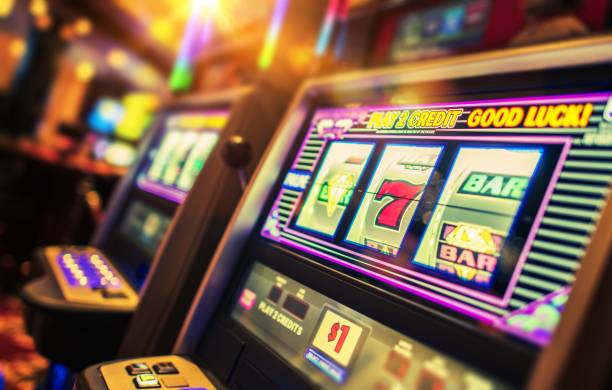
The psychology behind casino gambling is a fascinating area that delves deep into the motivations and behaviors of players. The thrill of risk and the possibility of winning big create a potent mix that draws people into casinos. Many gamblers are enticed by the excitement of the gameplay, where each spin of the slot machine or turn of the card brings a rush of adrenaline. This rush is often amplified by the sensory elements of casinos—bright lights, sounds of coins clinking, and the buzz of excitement in the air, making the experience more enticing. For those looking for a more relaxed gambling experience, no kyc casinos are becoming a popular choice among players seeking convenience.
Additionally, the social aspect of gambling cannot be overlooked. Many individuals are motivated by the desire to connect with others, whether it’s bonding with friends over a game of poker or mingling with strangers at a slot machine. This social interaction, combined with the thrill of the games, creates an environment that is hard to resist.
The Role of Cognitive Biases
Cognitive biases play a significant role in the decision-making process of gamblers. The illusion of control is a common phenomenon where players believe they have more influence over the outcome of a game than they actually do. This belief can lead to irrational behaviors, such as gamblers thinking they are “due for a win” after a series of losses. Such biases skew their perceptions, keeping them engaged and often leading them to gamble more than they should.
Furthermore, the gambler’s fallacy—the misconception that past outcomes influence future events—can lead players to make poor betting decisions. As players chase losses, they often find themselves in a cycle of gambling that is tough to break. Understanding these cognitive biases can help in recognizing why people continue gambling despite negative consequences.
The Emotional Connection to Gambling
Emotion plays a pivotal role in gambling behavior. For many players, gambling serves as an escape from their daily routines or stressors. When individuals experience stress, anxiety, or boredom, they may turn to casinos as a form of relief. The temporary highs associated with wins can create a sense of euphoria that players seek repeatedly. This emotional rollercoaster can lead to compulsive gambling habits.
In addition, the concept of nostalgia is often associated with gambling, particularly in traditional casino settings. The sense of history and the memories tied to certain games can evoke feelings of comfort and familiarity, drawing players back to casinos time and again. This emotional connection can reinforce gambling behaviors, as it becomes intertwined with personal experiences and social memories.
The Impact of Marketing and Environment
The casino environment is meticulously designed to maximize player engagement. From the layout of the casino floor to the types of games offered, everything is strategically planned to enhance the gambling experience. Marketing plays a crucial role as well; enticing promotions, loyalty programs, and the allure of lavish rewards entice players to take risks they may not otherwise consider.
Moreover, casinos often create a sense of urgency through limited-time offers or exclusive events that heighten the desire to participate. This deliberate manipulation of the environment and marketing tactics keeps players coming back, often leading to repeated gambling sessions fueled by the hopes of hitting a jackpot or obtaining a coveted reward.
Cybersecurity and Responsible Gambling
In today’s digital age, online casinos have surged in popularity, bringing new challenges regarding gambling behaviors. With the ease of access to online gambling platforms, understanding responsible gambling practices becomes critical. Just as traditional casinos create immersive environments, online platforms utilize technology to engage players, but this also poses risks for addiction and compulsive behaviors.
To mitigate these risks, it is essential for players to be aware of their gambling habits and to seek resources that promote responsible gambling. Websites dedicated to gaming safety offer information, support, and tools to help players manage their gambling activities. Recognizing the psychological factors at play can empower individuals to gamble responsibly and seek help if their behavior becomes problematic.
